November 13, 2026
Why Carpet Can Smell Moldy Before Visible Growth Appears
By @restoredrooms
Understanding the Hidden Signs of Moisture in Carpet
Most people expect to see mold before they smell it. But with carpet, the opposite is often true. A musty, earthy odor can fill a room long before any dark spots or fuzzy patches become visible. This happens because mold spores are microscopic and can begin to grow deep within the carpet fibers and backing, where moisture accumulates out of sight. By the time you see the mold, the problem has already been developing for some time.
Knowing how this process works can help you act early. Early detection is key to limiting damage and avoiding more extensive restoration work later. Carpet mold testing is a practical step that helps identify hidden moisture and microbial activity before visible growth forces a larger intervention.
How Mold Develops Inside Carpet Without Being Seen
Mold requires three things to grow: moisture, warmth, and a food source. Carpet provides an excellent food source in the form of organic dust, skin cells, and the natural fibers themselves. When moisture is present, whether from a slow leak, high humidity, or a spill that was not fully dried, mold spores that are always floating in the air settle into the carpet and begin to feed.
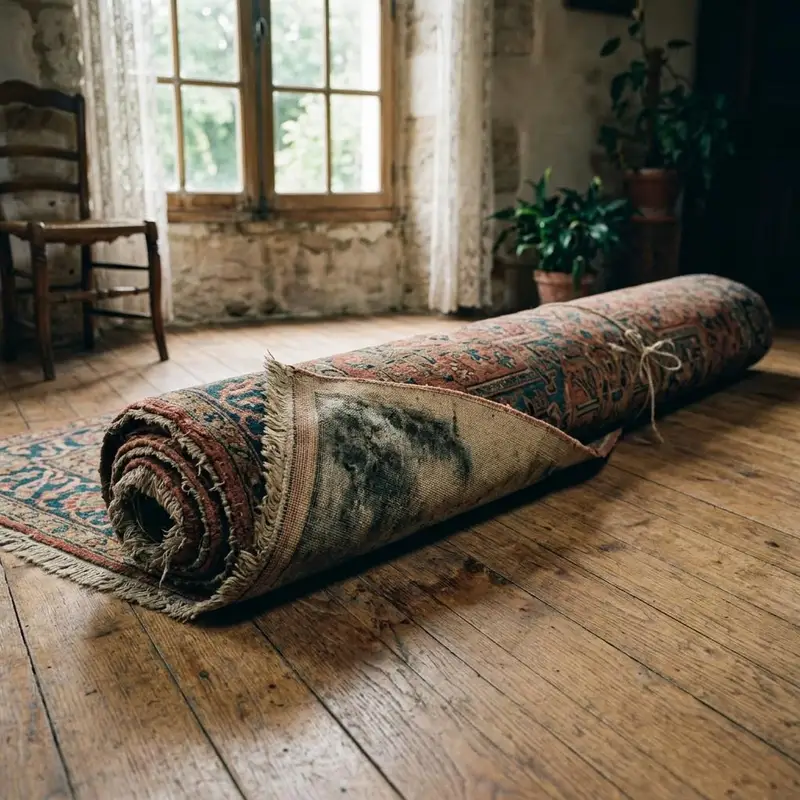
The growth happens first in the lower layers. The carpet backing, often made of latex or jute, can absorb and hold moisture longer than the surface fibers. Mold colonies start there, spreading through the padding and into the subfloor before any discoloration reaches the top. The smell comes from microbial volatile organic compounds (MVOCs), which are gases released by mold as it digests organic material. These gases travel upward through the carpet, carrying the musty odor into the room.
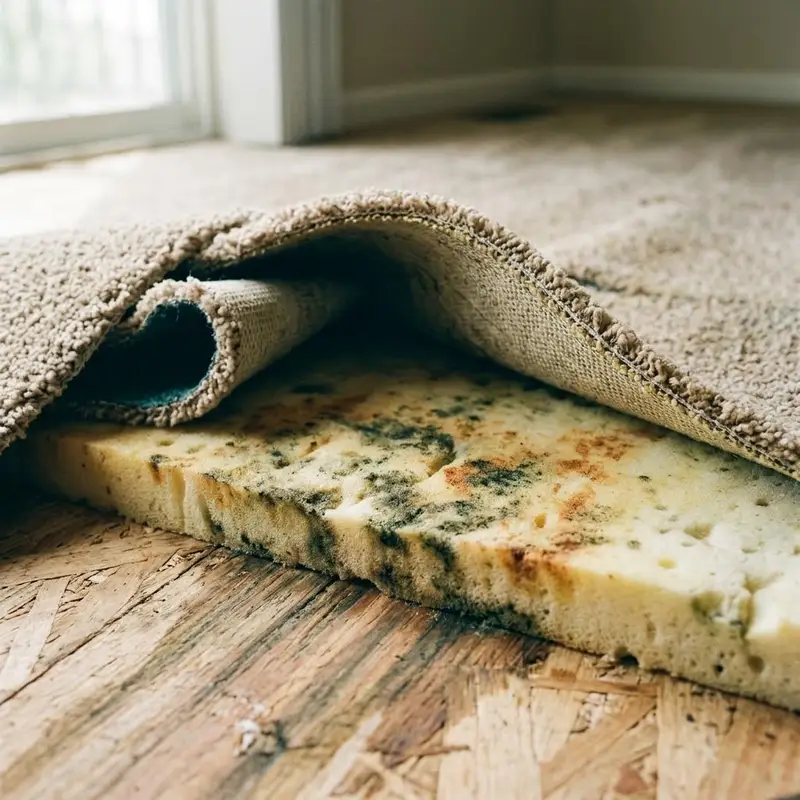
You might notice a persistent smell even though the carpet looks clean. That is the first signal that mold is active below the surface. Ignoring it can allow the colonies to expand and eventually become visible, often as yellowish or greenish stains that appear suddenly after the mold has already damaged the carpet structure.
Why Visible Growth Is Not the First Warning
Visible mold is a late-stage sign. By the time you see it, the mold has already grown a substantial network of hyphae, the thread-like structures that anchor it into the material. At this point, the carpet backing may be weakened, and the subfloor may also be affected. The smell, by contrast, appears much earlier, sometimes within days of moisture exposure.
This is why relying on sight alone is risky. A carpet that appears dry and clean on the surface can still harbor active mold growth beneath. High humidity or a small leak under the carpet can keep the backing damp without soaking the surface fibers. The odor becomes the first reliable indicator that something is wrong. Carpet mold testing can confirm the presence of mold spores and moisture in the carpet layers, giving you a clearer picture than your nose alone.
Common Sources of Hidden Moisture in Carpet
Understanding where moisture comes from helps you know what to watch for. Some sources are obvious, but others are easy to overlook.
- Spills that were not dried thoroughly, especially under furniture or in corners.
- High indoor humidity, which can condense on cool surfaces like concrete floors under carpet.
- Slow plumbing leaks from pipes running under the floor or behind walls.
- Flooding or water intrusion that was dried only from the surface, leaving the padding and backing wet.
- Poor ventilation in basements or rooms with little airflow, which traps moisture in the carpet.
Each of these can create conditions for mold growth without any visible signs on the carpet surface. The smell is often the first clue, but it can be easy to dismiss as a temporary issue or a sign that the carpet just needs cleaning. In reality, the odor indicates that moisture has been present long enough for mold to start digesting organic material.
What Carpet Mold Testing Can Reveal
Carpet mold testing typically involves measuring moisture levels in the carpet and padding, as well as sampling the air or surface for mold spores. Moisture meters can detect dampness deep in the carpet layers that you would not feel by hand. Air sampling captures spores that have been released into the room, while surface sampling shows what is growing directly in the carpet.
These tests help distinguish a musty smell caused by trapped moisture that can be dried from active mold growth that needs removal. Without testing, it is difficult to know whether a thorough cleaning and drying will solve the problem or whether the carpet and padding need to be replaced. Testing also identifies the type of mold present, which matters for health and safety. Some species are more likely to cause allergic reactions or respiratory issues, especially for people with asthma or sensitivities.
Professionals who perform this kind of testing understand where to look and how to interpret the results. For example, a high moisture reading in the carpet backing but a dry surface suggests that the moisture source is below, possibly from a leak or wicking from a damp subfloor. This kind of information guides the next steps, whether that involves drying the area, improving ventilation, or removing and replacing the affected materials.
When Smell Alone Is Not Enough
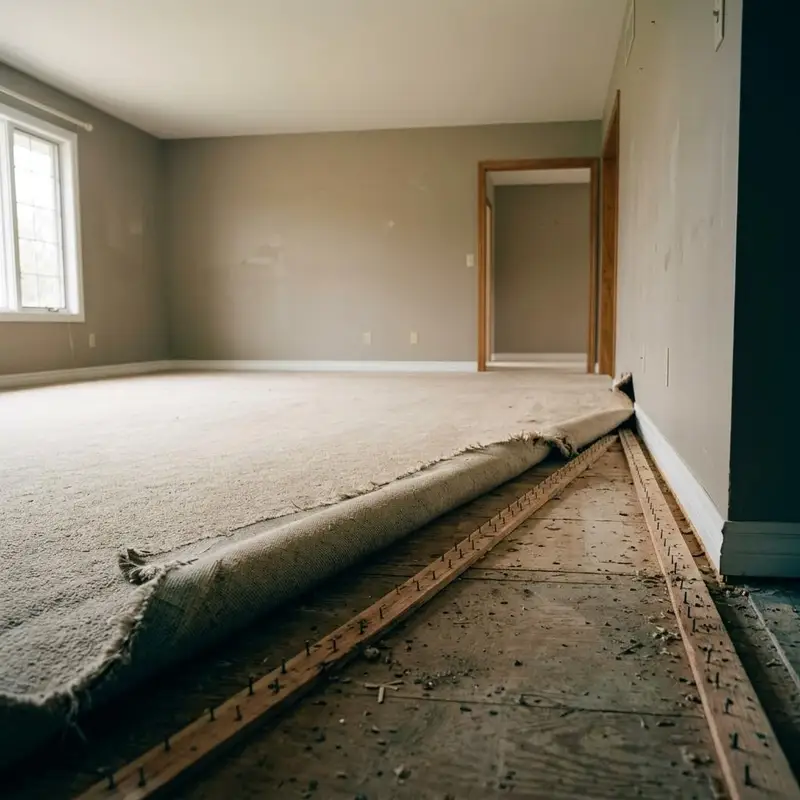
A musty odor is a strong warning, but it does not tell you the full story. The intensity of the smell can vary depending on the type of mold, the temperature, and the humidity. A faint smell might indicate a small, localized problem that can be dried out quickly, while a strong, persistent odor usually means the growth is more established. Without testing, you are guessing.
There are also cases where mold is present but produces little odor, especially if the species involved grows slowly or the carpet is in a cool, dry area. In those situations, you might not notice anything until the mold becomes visible. This is where routine inspection and testing can catch problems early, before they affect indoor air quality or require extensive restoration.
If you suspect a mold issue but are unsure, Carpet Mold Removal Services Pros can perform a thorough assessment to determine the extent of the problem. Their expertise in identifying moisture sources and evaluating carpet condition helps homeowners and property managers make informed decisions. Acting early can prevent the need for full carpet replacement and reduce the health risks associated with prolonged mold exposure.
What to Do When You Detect a Musty Smell
If you notice a persistent musty odor in a room with carpet, the first step is to locate the source. Check under furniture, along baseboards, and near windows or doors where moisture might enter. Feel the carpet for dampness, especially in areas that are not frequently walked on. If the carpet feels dry but the smell is still present, the moisture may be in the padding or subfloor.
Improving ventilation can help reduce humidity and slow mold growth, but it will not eliminate mold that is already established. Opening windows, using fans, or running a dehumidifier can make the environment less favorable for mold, but the underlying moisture source needs to be addressed. A small leak from a pipe or a crack in the foundation can keep the carpet damp indefinitely.
Cleaning the carpet with a steam cleaner or shampooer can sometimes remove surface mold and improve the smell temporarily, but it often leaves the padding wet, which can make the problem worse. The water used in cleaning can soak into the backing and provide more moisture for mold to grow. Professional assessment is usually the safest route, especially if the odor returns after cleaning.
The Role of Professional Assessment
Professional carpet mold testing provides objective data. Instead of relying on smell or guesswork, you get measurements of moisture content and spore counts that tell you exactly what is happening. This information helps you decide whether drying, treating, or removing the carpet is the right course of action.
For property managers and homeowners dealing with recurring musty odors, testing can identify hidden moisture problems that might otherwise go unnoticed until visible damage occurs. Carpet Mold Removal Services Pros bring the tools and experience needed to assess the situation accurately and recommend a course of action that fits the specific conditions of the home or building. Their work helps ensure that the carpet and the indoor environment remain healthy and free from hidden mold growth.
Understanding why carpet can smell moldy before visible growth appears gives you the advantage of early intervention. The odor is not just an annoyance; it is a signal that the conditions for mold are present and active. By paying attention to that signal and using carpet mold testing to confirm what is happening, you can address moisture issues before they lead to larger problems. Acting early protects both your property and the air you breathe indoors.
❧